Movement is the clue. Every board verified solvable by logic.
Every image below is the running game, captured from the build
linked above — real positions the game produced, nothing mocked up.
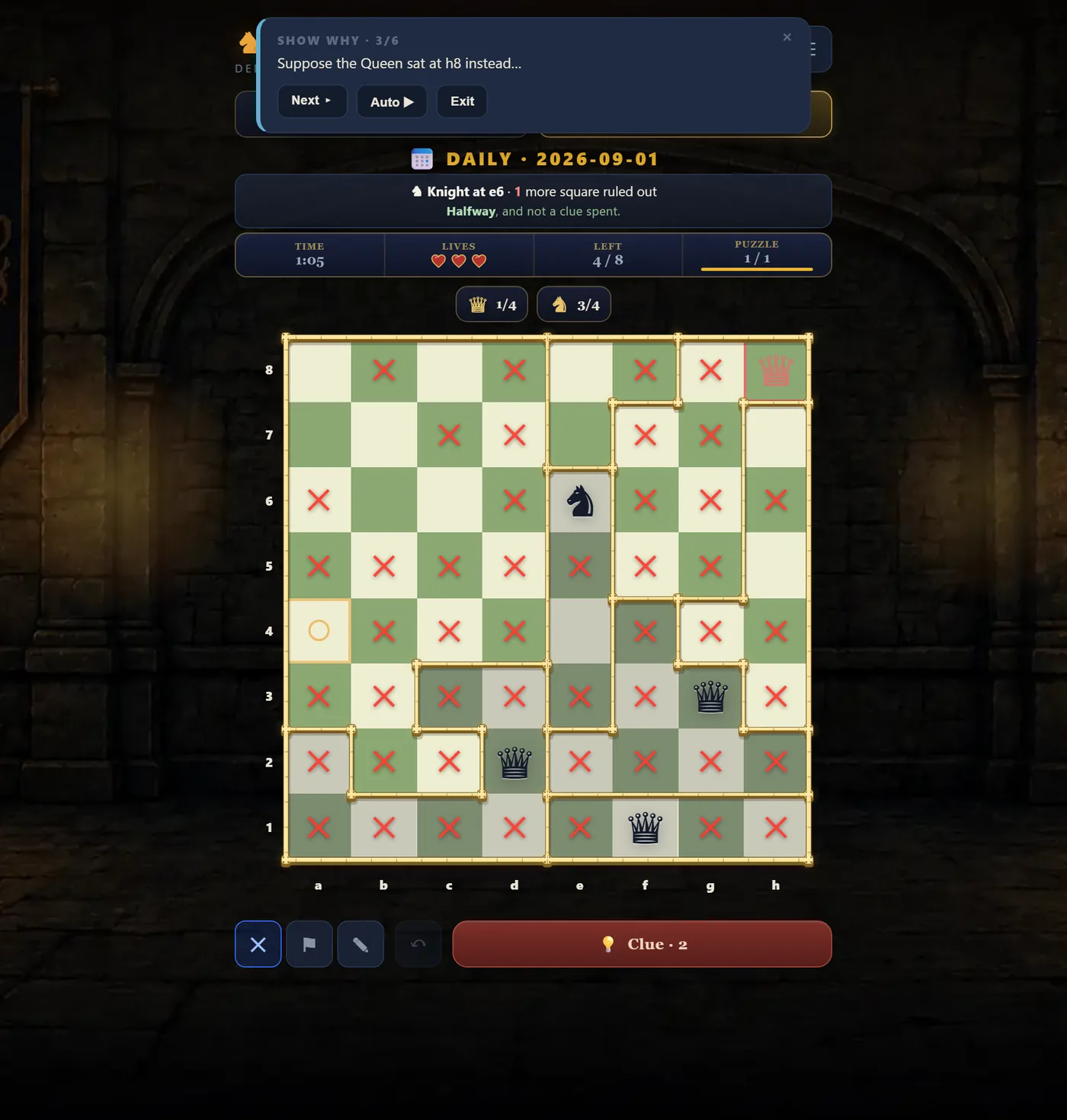
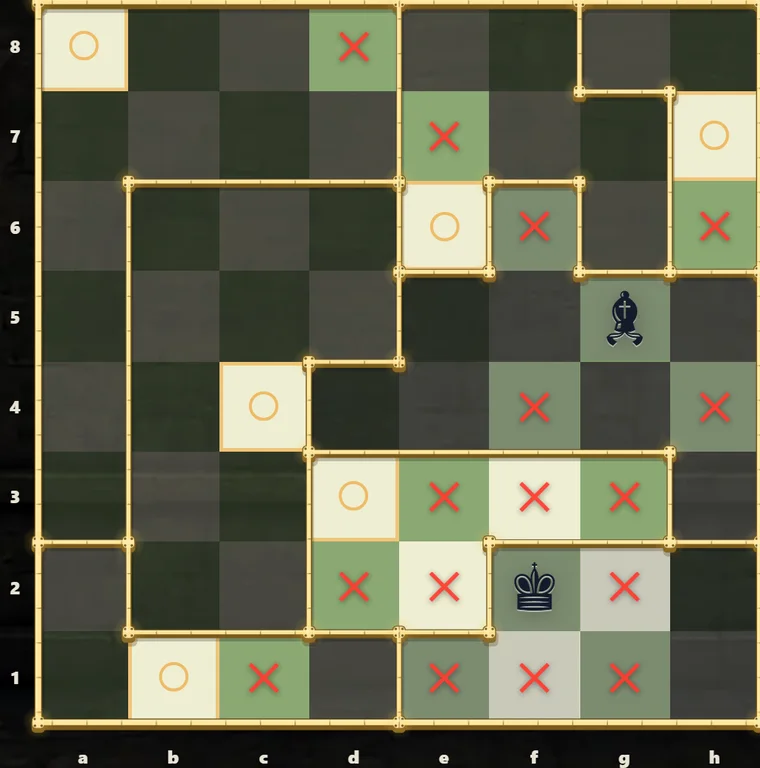
“Show why” — the guarantee, demonstratedStep 3 of 6: “Suppose the Queen sat at h8 instead…”
The game places the hypothesis on the board in red and then refutes it,
sweeping the attacks that make it impossible. This is why the no-guess
promise is a checked property rather than a slogan — being stuck
always means an inference is waiting, and the game will walk you through
the exact one.A daily solved by deductionOne board for everyone that day. Each reveal makes the game sweep
that piece’s attack lines and eliminate every square they cover, so
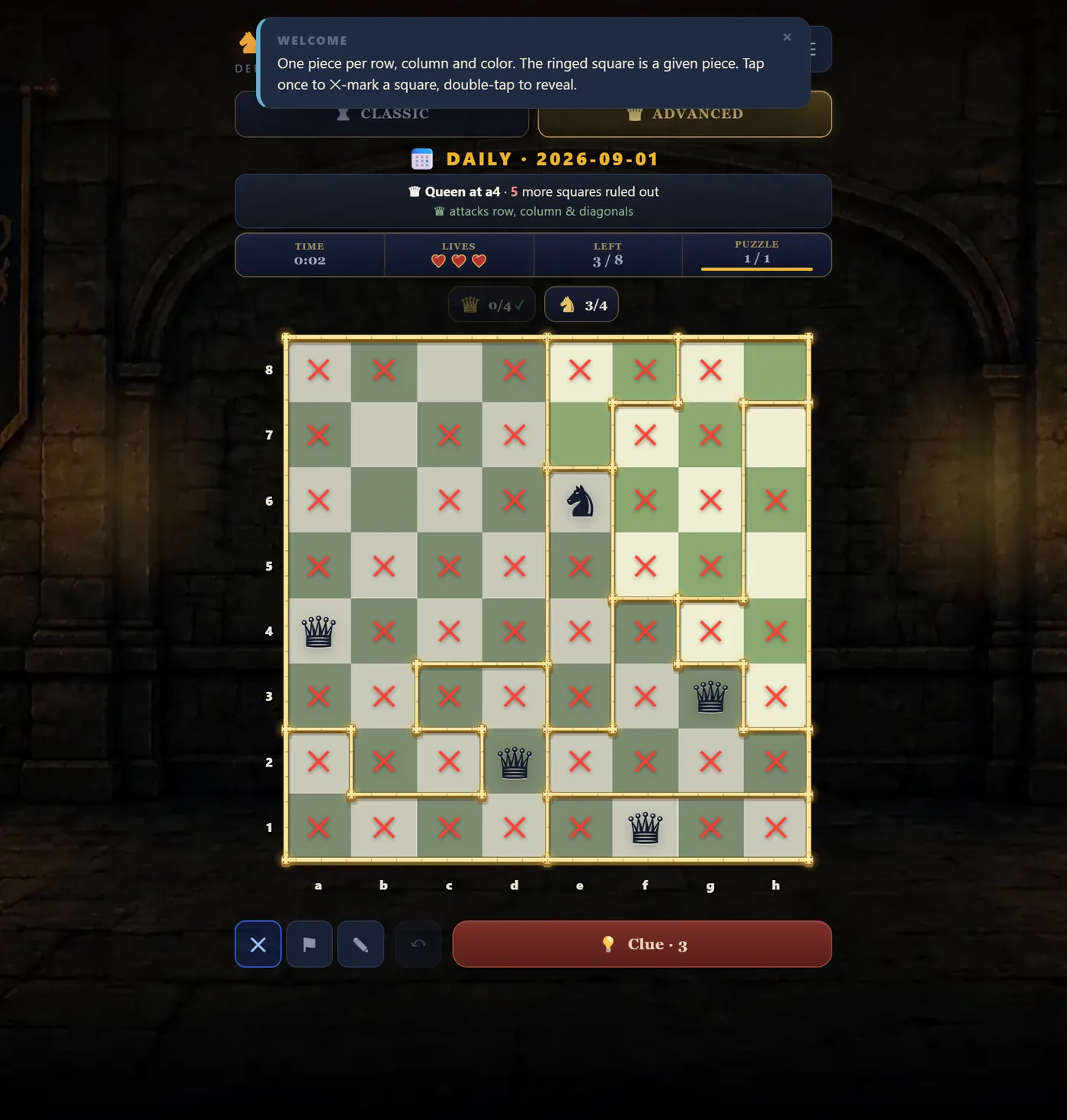
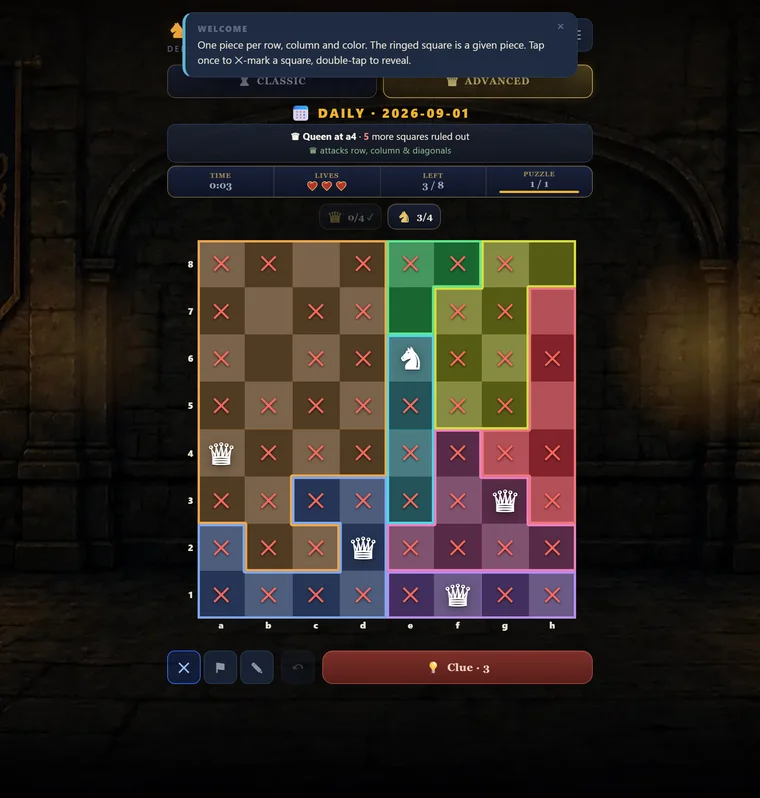
the board visibly does the reasoning with you.Half the court foundRed crosses are the game’s own eliminations, swept from the
attacks of pieces already placed. Amber ones are yours. The counters
track what is left of each piece type — here one queen of four and
three knights of four.The Advanced ladderClassic uses row, column and region. Advanced drops the row and
column rule entirely, so the pieces are kept apart only by their own
attacks — Queens, Queens & Knights, Queens & Bishops,
Queens & Kings, Full Court, and Identify, where the locations are
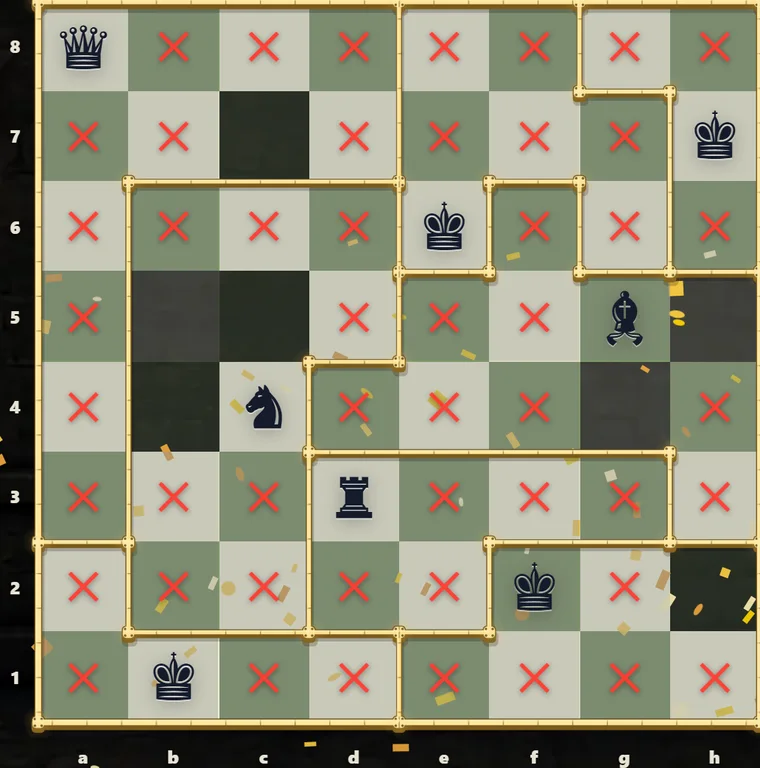
known and the piece types are not.SolvedThe full court, rediscovered. Every board ships only if an offline
solver has proved it finishable by human-style deduction alone.
Puzzles, and their answers
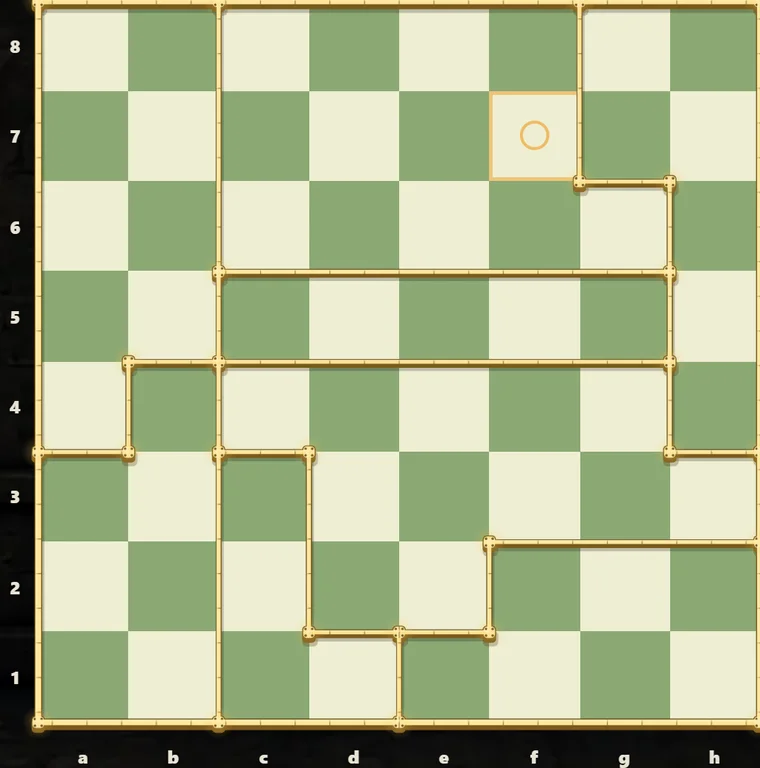
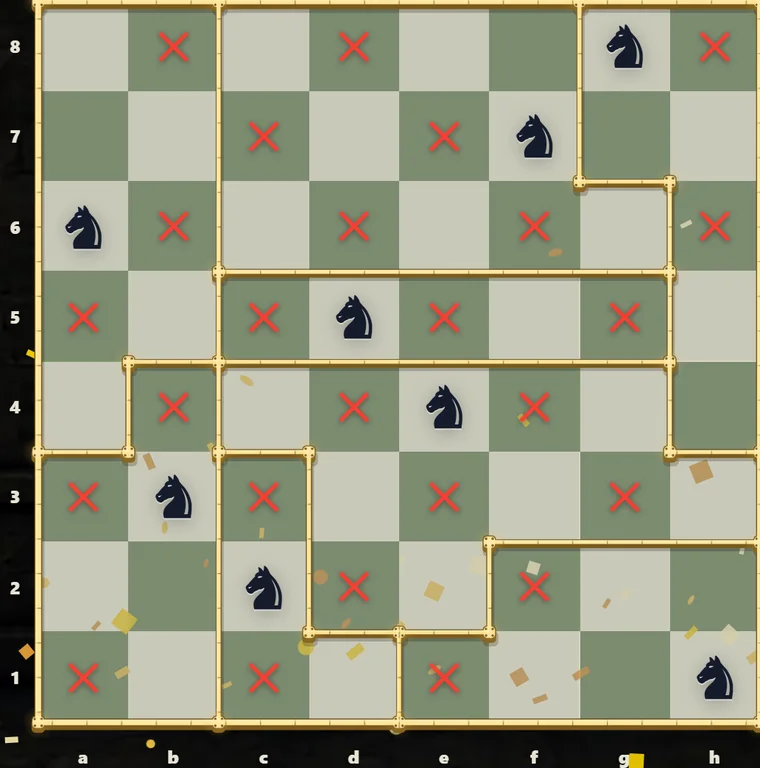
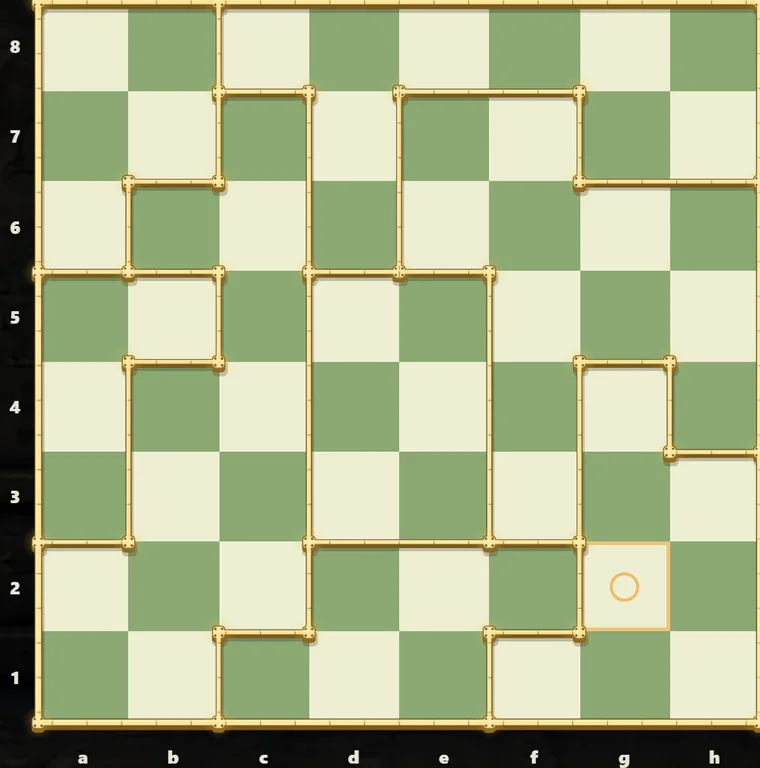
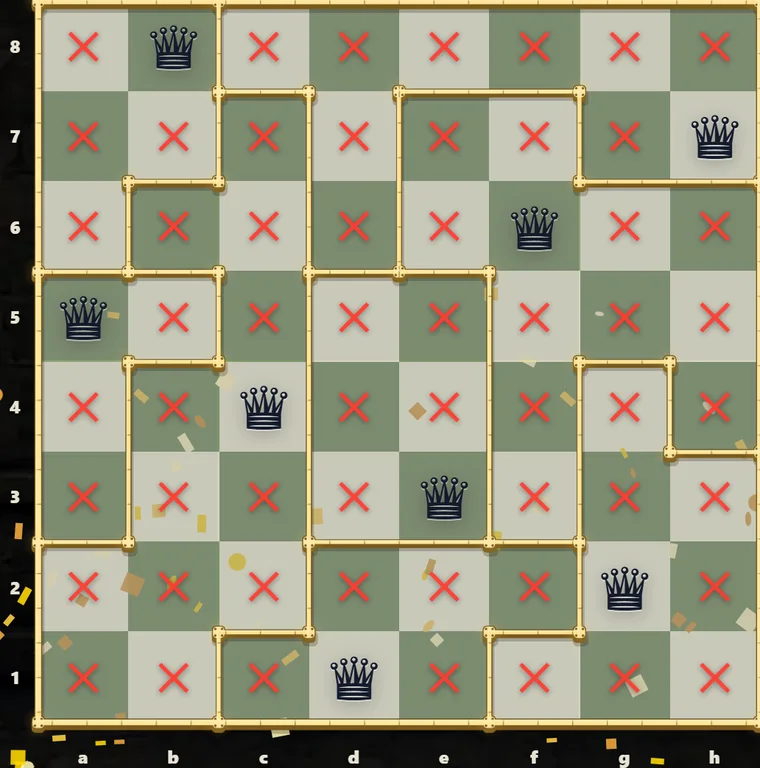
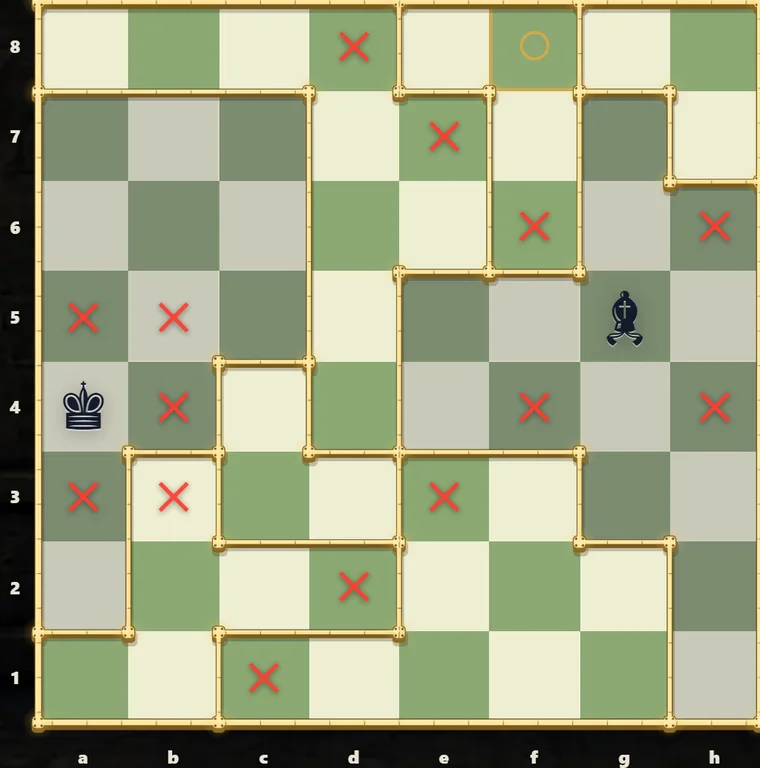
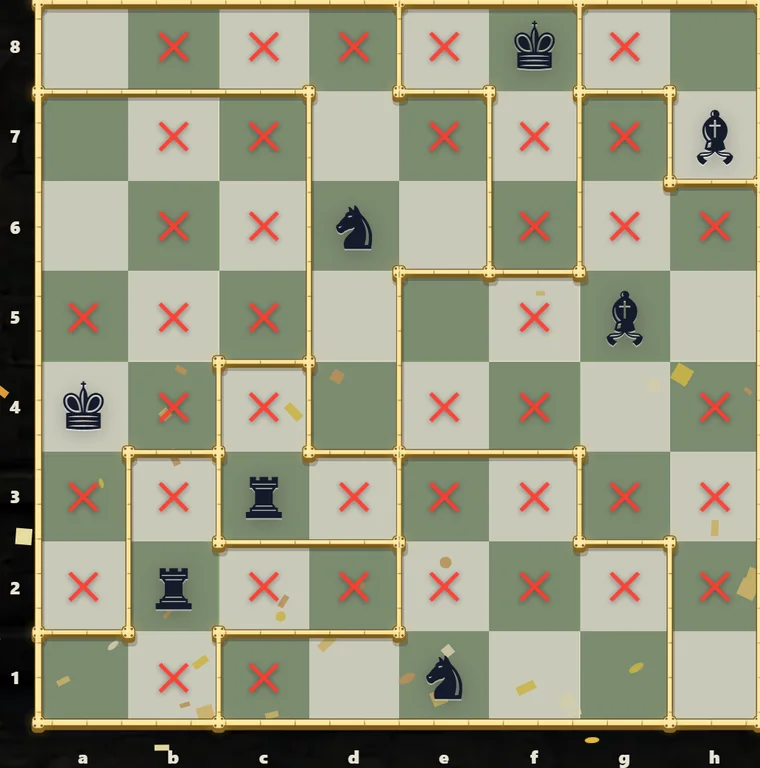
Each pair is one real generated board: the position as it is
dealt, and the same board with the court rediscovered. Every one of them was
proved finishable by human-style deduction before it shipped.
Knights OnlyEvery piece is a knight, so the only thing keeping them apart is the knight’s own leap — the least intuitive attack pattern in chess, which is exactly why it is a good teacher.
Queens OnlyEight queens, none attacking, one to a row, a column and a region. The classic problem, but you are not placing them — you are deducing where they already are.
Mixed PiecesDifferent pieces on one board. Now a square is ruled out only if you know which piece is doing the ruling.
Identify the PieceThe locations are given and the types are not. The deduction inverts: you know where the court stands and have to work out who each of them is.An alternate board styleThe regions can be drawn as colour instead of masonry. The walls are
the default because a wall already says everything the colour does —
a region is whatever the walls enclose — and it keeps the board
readable without relying on hue.